
Three installers told me I needed at least 32kW. I chose 26kW. Here's why they were wrong.
When I started researching boiler replacement, the conventional wisdom was clear: bigger is safer. Every installer who came for a quote recommended a minimum of 32kW, with most suggesting 36kW or even 40kW would be preferable. Their logic was sound from a business perspective—oversizing avoids callbacks and complaints.
But I took a different approach. I looked at the math, studied modulation ranges, calculated DHW requirements, and considered my entire system upgrade strategy. Two years later, the Vaillant Ecotech Plus 826 (26kW) handles my 4-bed detached house perfectly, with validated 21% heating efficiency improvements and no regrets.
This is the story of how research-driven logic challenged installer convention—and won.
The Old Boiler Told Me Everything I Needed to Know
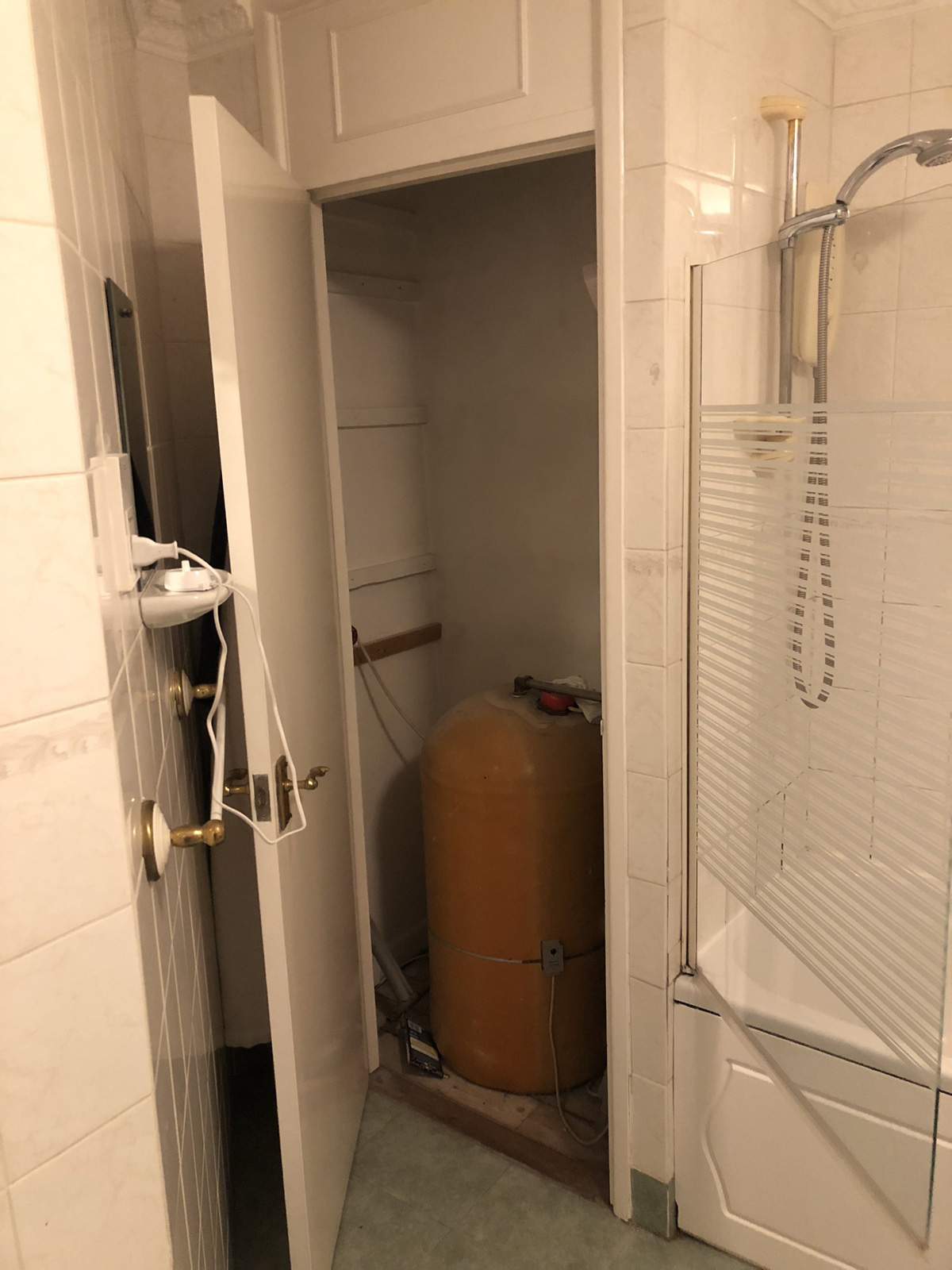
My original heating system featured a Potterton Netaheat 16/22, manufactured somewhere between 1975 and 1988. This conventional boiler had an output range of 16-22kW (55,000-75,000 Btu/h) and a SAP seasonal efficiency of just 65.0%—typical of non-condensing boilers from that era.
Here's the critical point: This 16-22kW boiler successfully heated 13 radiators in my 4-bed detached house through harsh UK winters for decades. It worked. The house stayed warm.
In October 2021, the gas valve finally failed. Mike the Boilerman diagnosed it remotely—pilot on, sounds like it's running, but not actually heating. The gas valve wasn't opening despite receiving correct voltage. A temporary repair with a second-hand gas valve kept it running for another 2 years and 3 months before I finally replaced the entire system.
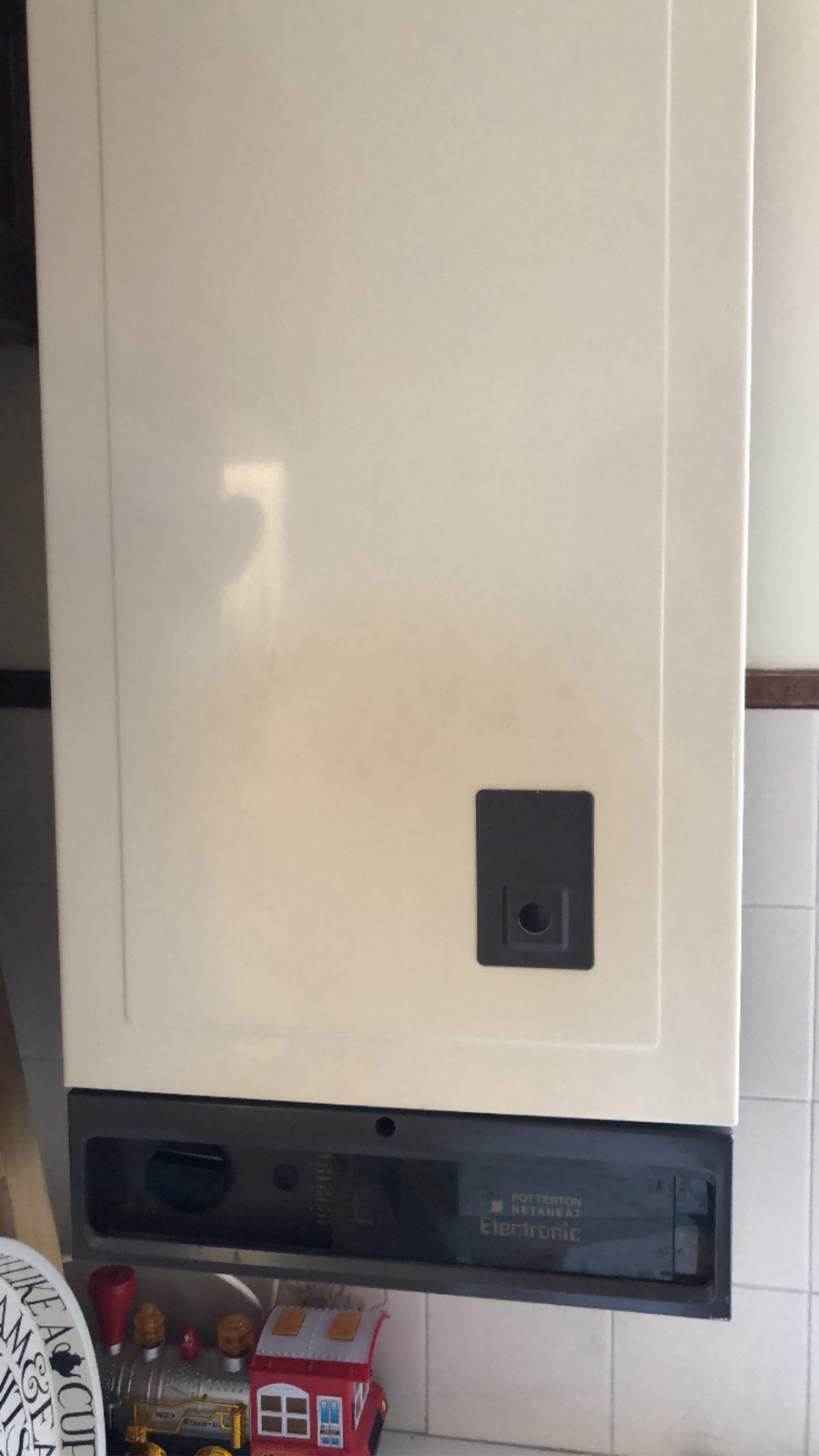
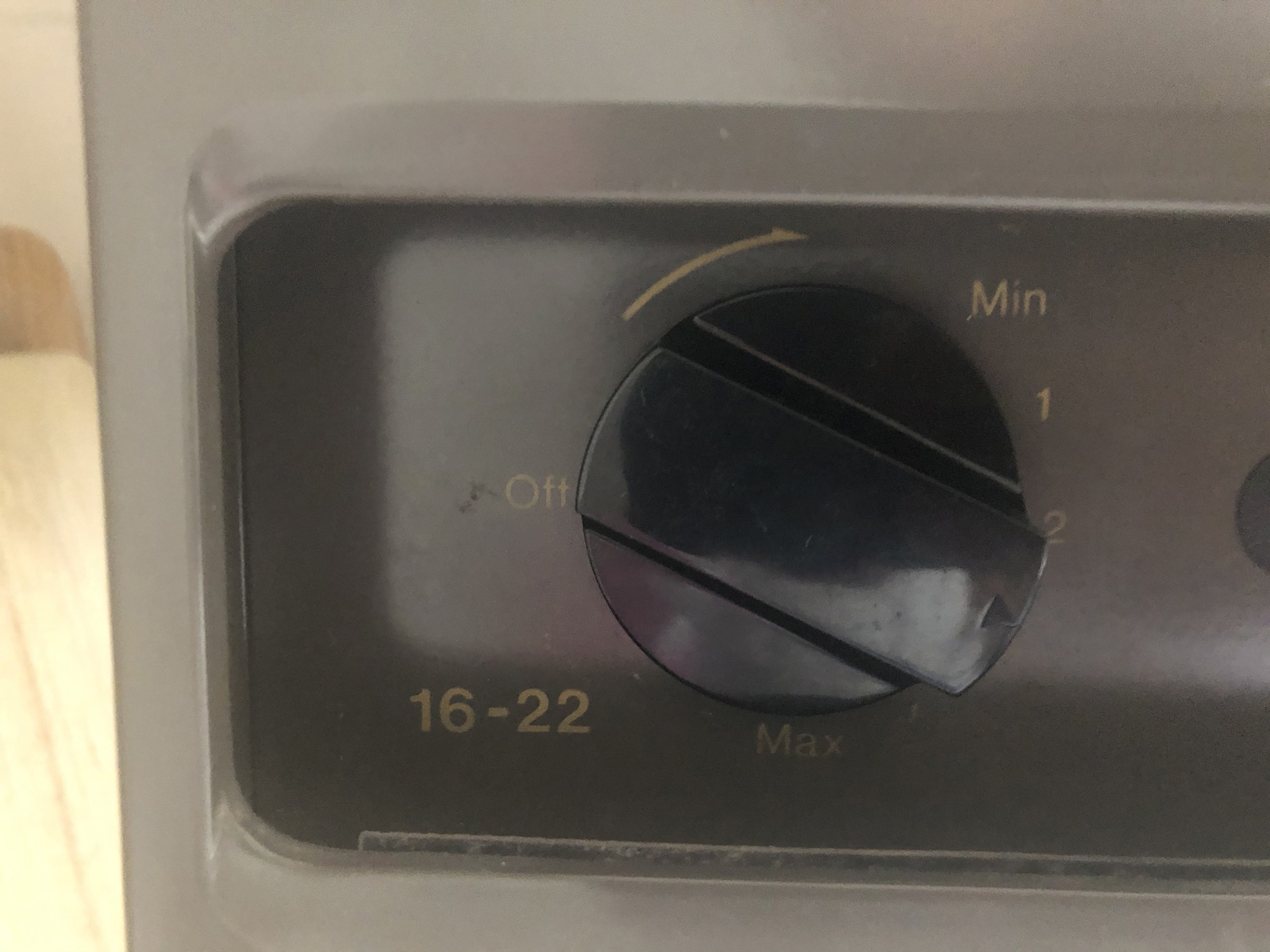
This raised the obvious question: If 16-22kW handled the heating load fine for decades, why would I need 32-40kW?
The Math Actually Gets Better
I wasn't just replacing the boiler—I was upgrading the entire system:
- Old system: Small radiators running at high flow temperatures (70°C+)
- New system: Strategically oversized radiators designed for low flow temperatures (50°C target)
- The result: More BTU output from radiators = LESS boiler output needed
Larger radiators at lower temperatures would actually reduce the boiler output requirements compared to the old system. The 16-22kW that worked before should translate to needing even less with properly sized radiators.
What Every Installer Recommended
About three installers came for quotes. All of them recommended a minimum of 32kW, with most suggesting 36kW or even 40kW as preferable. Their standard approach was clear: oversize to guarantee the boiler won't be underpowered.
The "Safe Bet" Mentality
To be fair, installer logic makes business sense:
- Undersized boiler = callbacks and complaints = lost time and money
- Oversized boiler = no immediate problems (inefficiency shows up over years, not days)
- DHW anxiety: Weak showers create angry customers; higher gas bills are invisible
- Easier calculation: Oversize rather than calculate precisely
They weren't wrong—they were managing business risk. Customers complain about weak showers, not about gas bills that are £50-100 higher per year due to inefficient cycling.
What They Would Have Done
Most installers probably would have installed the 826 if I insisted, but with disclaimers: "at your own risk," "don't say we didn't warn you," and similar risk-transfer language. That's not collaboration—that's covering their backs.
The Missing Element in Installer Thinking
What many installers don't account for:
- Modulation ranges: Not well understood beyond basic specs
- Efficiency focus: Secondary to avoiding problems
- System upgrades: Don't account for improved insulation or oversized radiators
- Worst-case scenarios: Base sizing on peak demand, not typical usage
Finding an Installer Who Would Support the Choice
I contacted Vaillant directly and asked for installer recommendations in my area. After evaluating multiple quotes, a father/son heating engineering team stood out.
What Made Them Different
The son was knowledgeable about smart controls—weather compensation, app control, and advanced features. When I explained my reasoning for choosing the 826, they didn't push back. No disclaimers, no "I told you so" warnings. Just supportive collaboration.
The father was honest about knowledge gaps: "Controls are my son's specialty." That honesty and aligned expertise sealed the decision.
The Warranty Extension
Standard Vaillant warranty is 2-5 years. This installer offered a 7-year warranty extension through their Vaillant partnership. That shows confidence in both the product and their installation quality.
Controls Self-Sourcing Discount
I researched and chose specific Vaillant controls (VRT 380f thermostat, myVAILLANT gateway, outdoor sensor). The installer knocked £200 off the installation price for me self-sourcing controls. They were transparent about cost savings and willing to work collaboratively.
Why Modulation Matters More Than Maximum Output
This is where most people—and many installers—miss the critical factor in boiler efficiency.
The Efficiency Problem
When a boiler's output exceeds demand, it cycles on and off. Each cycle wastes energy:
- Heat exchanger cools down during off cycle
- Wasted energy reheating it on next cycle
- Reduced lifespan from thermal cycling stress
Better modulation means the boiler runs continuously at lower outputs instead of cycling. This is dramatically more efficient.
Vaillant Ecotech Plus Model Comparison
| Model | Max Heating | Max DHW | Min Modulation | Real-World Impact |
|---|---|---|---|---|
| 826 | 19.8kW | 26kW | 2.5kW | Excellent for efficiency |
| 832 | ~25kW | 32kW | 3.5kW | Good |
| 836 | ~29kW | 36kW | 3.7kW | Fair |
| 840 | ~32kW | 40kW | 4.5kW | Poor (for this house) |
The critical difference: The 826 modulates down to 2.5kW, while the 840 only goes down to 4.5kW. That's an 80% difference in minimum output.
Real-World Impact
- Spring/autumn mild weather: The 826 runs continuously at low output; the 840 cycles repeatedly
- Well-insulated homes: Lower heat demand means larger boilers cycle more frequently
- Lower flow temperatures (50°C): Less output needed, making good modulation critical
- Continuous operation: Extends boiler lifespan and reduces component wear
The System Design Philosophy
This wasn't just about the boiler—it was about complete system efficiency:
- Oversized radiators enable low flow temperatures (50°C vs 70°C)
- Low flow temperatures maximize condensing efficiency (below 55°C is ideal)
- Right-sized boiler with excellent modulation (2.5kW minimum) works perfectly with low outputs
- Weather compensation provides automatic optimization
- Result: System designed for efficiency, not just heat output
The 826's excellent modulation was the perfect match for this strategy. A larger boiler would have cycled unnecessarily and wasted the efficiency potential of the oversized radiators.
The DHW (Hot Water) Performance Math
Installer concerns focused heavily on hot water performance: "You'll regret it when the shower is weak." Let's look at the actual math.
826 Specifications
- 26kW maximum for DHW
- 12.4 l/min at 30°C temperature rise
- 10.6 l/min at 35°C temperature rise
My Water Pressure Testing
I didn't just trust specs—I measured my actual system:
- Mains flow rate: 24 l/min (tested with 2.2L milk bottle and stopwatch)
- Mains water temperature: 12.5°C
- Current electric shower: 38°C at 6 l/min (wife's typical setting)
- Required temperature rise: 25.5°C (38°C - 12.5°C)
The Validation
The 826 specifications show 12.4 l/min at 30°C rise. My measured mains flow is 24 l/min—nearly 2× the flow rate the boiler needs. The DHW performance would be excellent, not marginal.
Worst-Case Winter Analysis
Even if inlet water drops to 0°C in harsh winter (unlikely), the boiler delivers 35°C rise at 10 l/min. Current measured inlet is 12°C, so I'm using about 74% of maximum heating capacity with 26% headroom for worst-case scenarios.
Real-World Validation After Installation
The bathroom was renovated in 2024, replacing the electric shower. Simultaneous usage (shower + kitchen sink) works perfectly fine. The edge case concerns proved unnecessary in practice—DHW performance is excellent with no regrets.
The System Upgrade Context
My house was built in 1970 during the copper shortage, resulting in extensive Truwel pipework throughout. The radiator replacement project involved installing 11 new radiators with fully replaced copper pipework.
The Truwel Pipe Dilemma
During installation, the bathroom radiator couldn't be isolated (it connected to downstairs toilet and kitchen radiators). The installer presented two options:
- Disconnect all 3 radiators completely
- Keep connected and risk Truwel pipe failure
I chose to risk it—I couldn't live with 3 radiators turned off. The outcome? The pipes ran fine with no failures.
Gas Pipe Discovery
A major discovery during installation: behind the tiles, we found the gas pipe had been reduced for the old boiler. We discovered the larger original pipe that matched the feed from the meter and connected the new boiler to it. This undid a previous bottleneck and meant no need to run new pipework out the front—saving significant work and mess.
The Strategic Crossover
Radiator replacement + boiler replacement = coordinated system design. Oversized radiators enabled low flow temperature operation, which enabled the 826's excellent modulation to shine. This was a complete system upgrade, not just component replacement.
Forum Validation: CrossThread's Response
I posted my research on a heating forum to get feedback from experienced professionals. CrossThread validated the 826 choice with practical logic:
"Even the small combi will be enough output for heating. If you're happy with 10 litres water flow, why go bigger? Better investment: Spend the money on decent controls and thermostatic radiator valves instead."
This confirmed what I'd calculated: right-sizing + good controls beats oversizing + basic controls every time.
Money Saved by Not Oversizing
The difference between an 826 and an 836/840 was £200-400+. That money was better spent on:
- Quality controls with weather compensation
- Smart thermostat (myVAILLANT gateway)
- Thermostatic radiator valves (TRVs)
- Better system optimization rather than brute force power
Why I Specifically Chose Vaillant
I didn't just choose boiler size—I chose the manufacturer carefully too. After watching countless unboxing and installation videos, researching multiple manufacturers (Worcester Bosch, Viessmann, Ideal, Vaillant), Vaillant won for one critical reason.
The 3rd Party Controls Problem
Most 3rd party smart controls (Nest, Hive, etc.) "dumb down" modern boilers. They can only communicate simple on/off or heat/cool commands. They cannot access modulation ranges or enable weather compensation unless protocols align perfectly.
This defeats the entire purpose of a modern condensing boiler with excellent modulation. You lose the efficiency benefits you paid for.
Why Vaillant Won
- OEM Controls Are Superior (Critical Factor): Vaillant is known for excellent OEM controls that communicate with full boiler capabilities—modulation control, weather compensation, automatic optimization
- Warranty: Strong warranty coverage (extended to 7 years through installer)
- Hydrogen-Ready: Future-proofed for hydrogen conversion
- Local Installer Availability: Good local installer network for support
- Replacement Parts Cost: Reasonably priced for long-term running costs
The whole efficiency strategy depended on smart controls. Going with Vaillant OEM controls protected the entire system design.
The Installation Story: Taking Time Paid Off
Installation took place over January 17-18, 2024. On Day 1, three installers arrived and offered to rush to finish in one day (worried about leaving the family without heat). My response: "Take your time. We have heaters and an electric shower. We want the job done well, not corners cut."
The installer was visibly relieved to not be rushed.
Benefits of Taking Time
- Kitchen door modification: Cut notch to slide out worktop
- Gas pipe discovery: Found and undid the bottleneck
- Overnight comfort: Connected boiler overnight with basic heat (no thermostat yet) to keep family warm
The boiler was already demonstrating intelligent operation overnight—modulating down as return temperature rose, keeping the family "ticking along." Mains hot water worked well immediately, validating DHW performance from day one.
The Cost
- Total installation: £3,180 (supply + installation, already discounted £200 for self-sourcing controls)
- My controls cost: £294.53 inc VAT (VRT 380f thermostat + VR940F gateway + outdoor sensor)
The installer also bought the boiler before a price increase without me knowing about it—showing real integrity and proactive customer support.
The Results: 2 Years Later
Two years in, the 826 has proven the research correct.
Heating Performance
- Handles heating load perfectly
- Excellent modulation for efficient operation
- House stays comfortable without thermostat battles
- Weather compensation handles transitions smoothly
DHW Performance
- Adequate for household needs
- Bathroom renovation confirmed performance
- Simultaneous usage (shower + kitchen sink) works fine
- No regrets about not going bigger
Reliability
- No issues since installation (approaching 2 years)
- First service included in installation price
- Second service due soon
- 7-year warranty provides long-term confidence
Energy Efficiency Results
- 21% heating efficiency improvement (weather-normalized data)
- Flow temperatures: high 20s to low 30s°C (vs 60-70°C conventional)
- Maximum condensing efficiency maintained
- £154/year savings from boiler upgrade alone
- £530/year total savings vs Year 1 baseline (all improvements combined)
Would I Choose Vaillant 826 Again?
Yes. The research was right, the math checked out, and the real-world results validated challenging installer convention. Controls work as intended, reliability is excellent, and efficiency is validated by data.
The Honest Trade-off
The kitchen is now slightly colder on winter mornings when heating has been off overnight. This is testament to the new boiler's efficiency—it's not wasting heat into the room like the old Potterton did (which commonly had scorch marks from heat escaping the casing).
Simple workaround: prop the kitchen door open when heating comes on. A minor inconvenience that proves the system is working efficiently.
Lessons Learned: How to Challenge Installer Advice
For readers considering boiler replacement:
1. Do the Math
- What was your old boiler's output? Did it work?
- Are you upgrading insulation or radiators?
- Don't blindly accept installer recommendations
2. Understand Modulation
- Look at minimum output, not just maximum
- Lower minimum = better efficiency with well-insulated homes
- 80% difference in minimum modulation matters more than you think
3. Calculate Your DHW Needs
- Measure your mains flow rate (milk bottle + stopwatch)
- Measure mains water temperature
- Calculate what temperature rise you actually need
- Don't trust installer assumptions about "family needs"
4. Consider Your Usage Patterns
- Do you actually run multiple showers simultaneously?
- Is DHW performance more important than heating efficiency?
- Think long-term—you'll pay for oversizing for 15+ years
5. Find the Right Installer
- Contact manufacturer directly for installer recommendations
- Evaluate multiple quotes
- Look for collaborative approach, not "my way or disclaimers"
- Installer knowledge of smart controls matters
- Warranty extension shows confidence
6. Think System, Not Components
- Radiator sizing + boiler sizing + controls = system efficiency
- Oversized radiators enable smaller boiler with better modulation
- Low flow temperatures maximize condensing efficiency
- Weather compensation requires smart controls
- Complete system upgrade, not just component replacement
7. Be Willing to Research
- Watch unboxing and installation videos
- Read forums and manufacturer specs
- Calculate edge cases and worst-case scenarios
- Build confidence to challenge conventional wisdom
Conclusion
Three installers told me I needed at least 32kW. I chose 26kW.
Two years later, the Vaillant Ecotech Plus 826 handles my 4-bed detached house perfectly. The heating works, the hot water is fine, and the efficiency gains are validated by real consumption data (21% improvement).
This wasn't stubborn defiance—it was research-driven logic:
- Old 16-22kW boiler worked for decades
- New oversized radiators reduce boiler output needs
- 2.5kW minimum modulation beats 4.5kW for efficiency
- DHW calculations proved 26kW adequate (74% capacity usage with 26% headroom)
- Mains pressure supports requirements (24 l/min measured)
The installer anxiety is understandable—undersized boilers create callbacks, while oversizing hides in higher gas bills. But you pay for that oversizing for 15+ years.
Finding the right installer mattered. The father/son team supported my choice without disclaimers, showed knowledge of smart controls, and provided a 7-year warranty extension. That's collaboration, not risk transfer.
The complete system approach—oversized radiators + low flow temps + good modulation + weather compensation—resulted in £154/year savings from the boiler upgrade alone, and £530/year total savings vs Year 1 baseline.
Would I do it again? Absolutely. The math was right, the research paid off, and the outcome validates challenging conventional installer wisdom.
Sometimes the installers are wrong. Sometimes you need to do the math yourself.