
My kitchen is colder now. And I'm happy about it.
That cold kitchen in the morning is proof that my new boiler isn't wasting heat. The old Potterton Netaheat with its scorch marks and hot casing was acting as an expensive, inefficient space heater. I was paying for gas to warm the boiler casing, not just the heating system.
This is the story of an efficiency trade-off that's rarely discussed honestly: when your new efficient boiler makes one room colder, and why that's actually a good sign.
The Old Boiler: An Unintended Kitchen Heater
Both my old and new boilers are located in the kitchen—specifically in the extension portion that sits between the original house and garage. This extension has a suspended timber floor with access beneath and likely poor insulation in the single-floor roof structure above. It tends to feel colder than the main house.
The Potterton Netaheat 16/22 (1975-1988)
My old Potterton was a conventional/system boiler (not a combi) with a SAP seasonal efficiency of just 65.0%—typical of non-condensing boilers from that era.
The inefficiency: The old boiler got hot itself during operation. It wasted heat by warming the boiler casing. It's common to see scorch marks on the front of used Potterton boilers from all that escaped heat—mine had them. The front would be HOT to touch during operation.
Where the Heat Went
That wasted heat wasn't going into the heating system where it belongs—it was going into the kitchen where the boiler sat. This inefficiency inadvertently warmed the kitchen, especially noticeable on cold winter mornings. The boiler acted as an unintended space heater.
The irony: I was paying for gas to heat the boiler casing, not heating water efficiently. But the kitchen felt warm as a side effect. You don't notice waste heat when it's warming the room you're in.
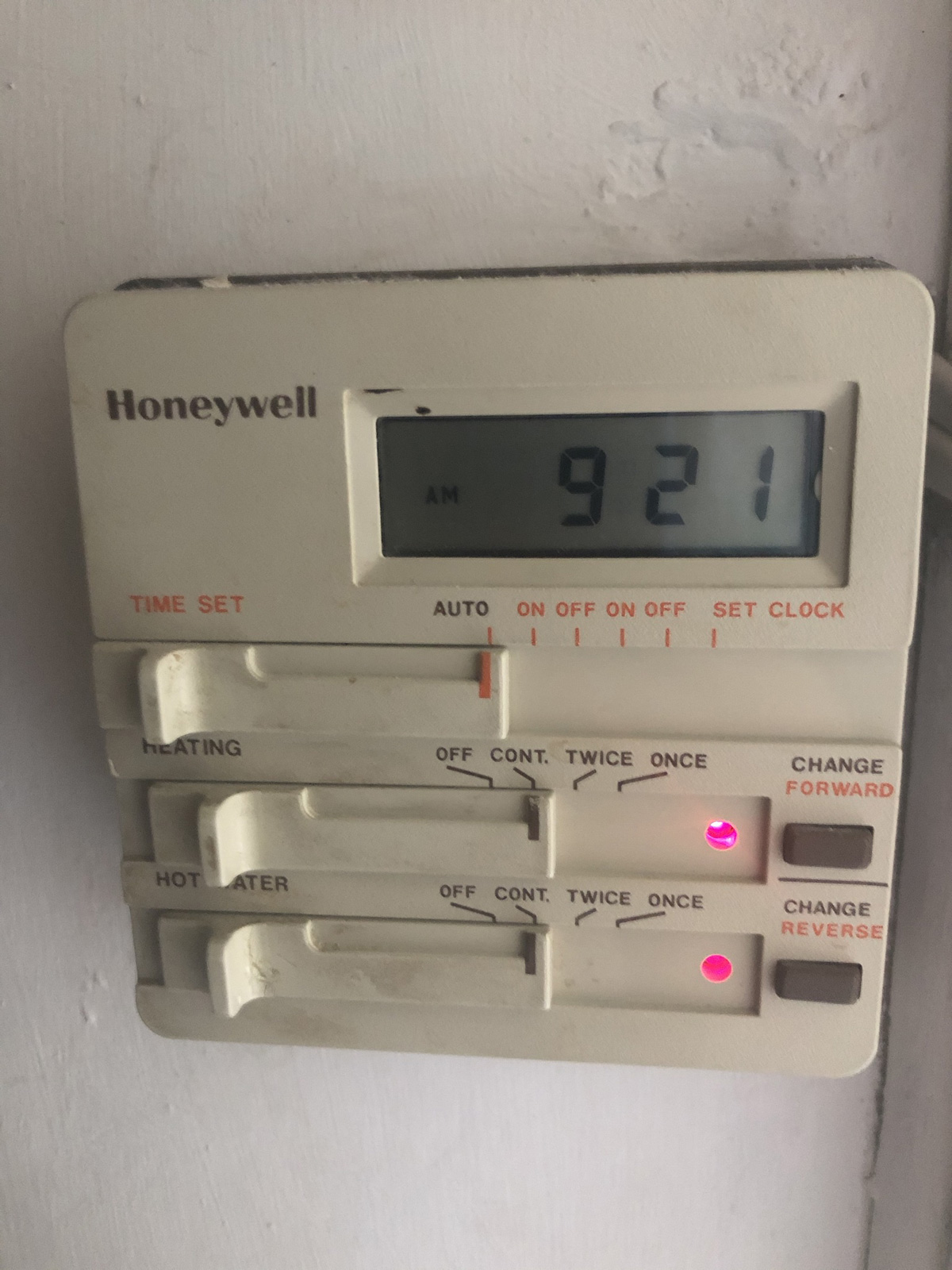
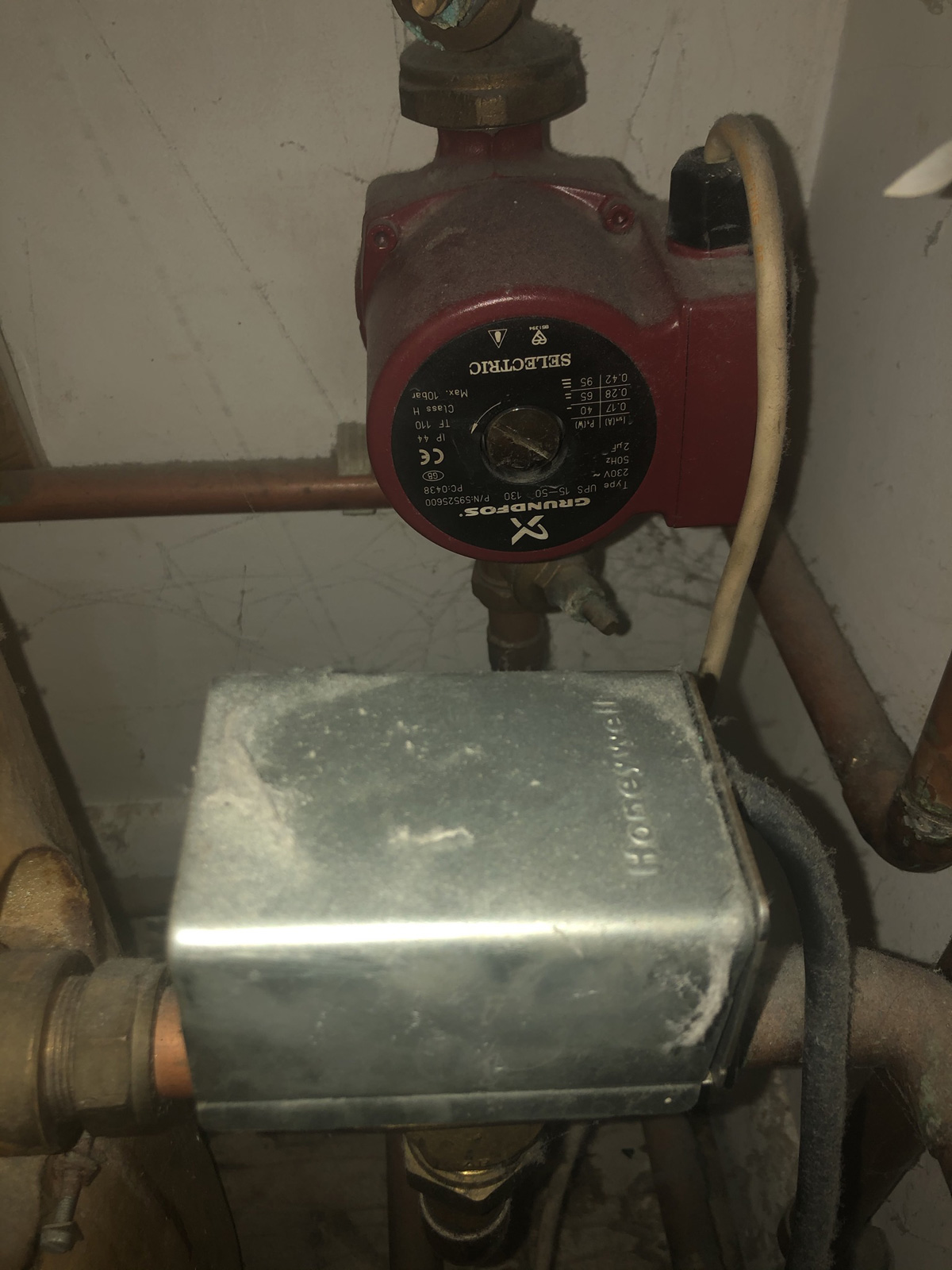
Why Old Boilers Do This
- Poor insulation around the heat exchanger
- Heat escapes through the casing
- Non-condensing design wastes energy
- 65% efficiency means 35% waste—some of that is room heating
Modern condensing boilers capture that heat and keep it in the system.
The New Boiler: Efficiency Means No Waste Heat
Vaillant Ecotech Plus 826
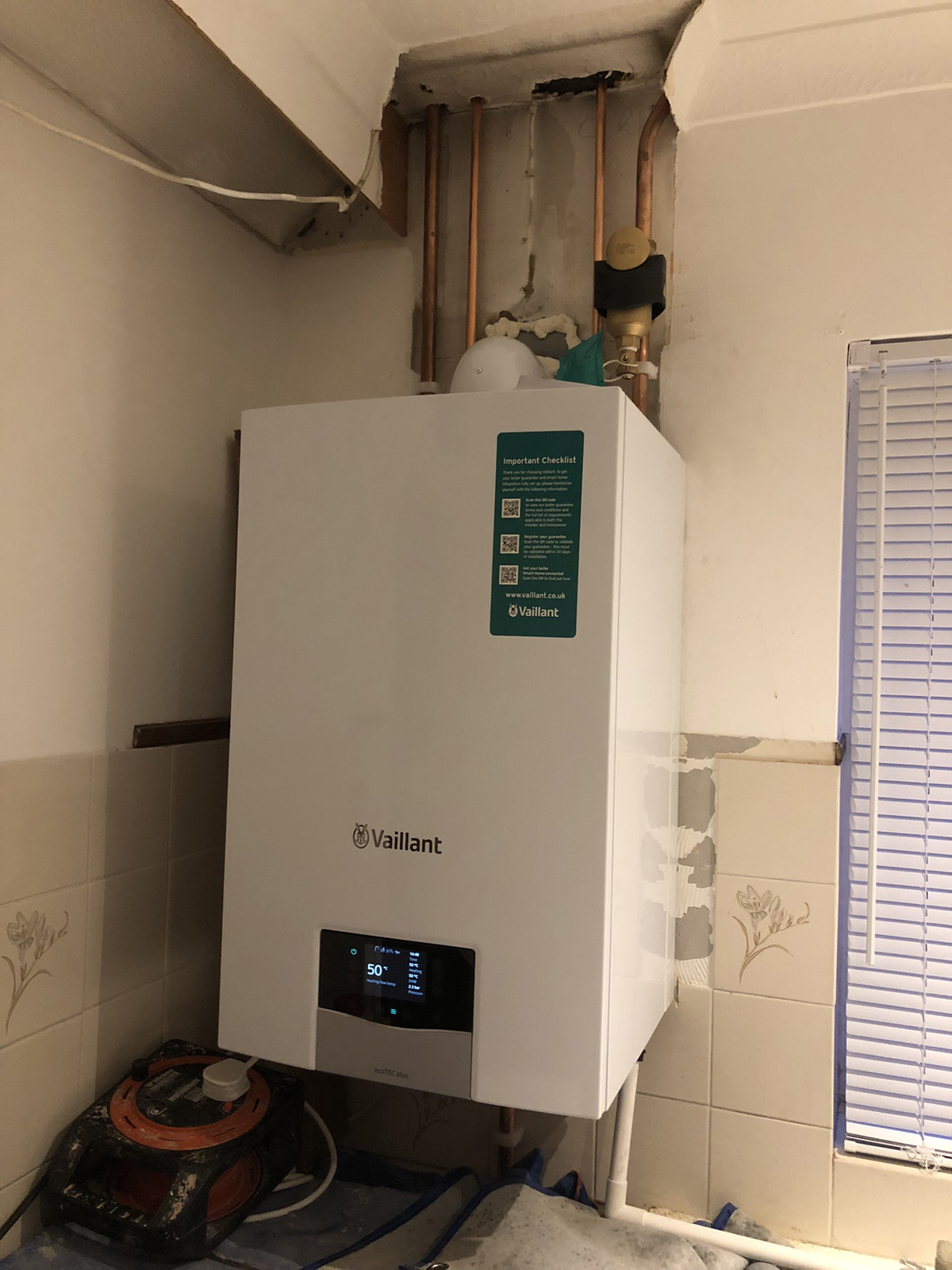
My new Vaillant is a modern condensing boiler with 94%+ efficiency (ErP A-rated). The key difference: Heat stays in the system, not radiating into the kitchen. The boiler casing stays cool during operation. All heat goes where it should: into the water, into the radiators.
The Flue Change
The old Potterton's flue exited out the rear wall (some heat escaped there too). The new Vaillant's flue exits out the top—required cutting a new hole higher on the wall to keep it away from the work surface below. More efficient flue design means less heat waste.
The Immediate Difference
First winter morning with the new boiler: the kitchen was noticeably colder. Heating was working perfectly throughout the rest of the house, but the kitchen extension felt cold first thing. I had to put on an extra layer before making morning coffee.
Initial reaction: "Is something wrong?"
The Realization
Nothing was wrong—everything was RIGHT. The old boiler was wasting heat into the room. The new boiler isn't wasting heat anywhere. This is what efficiency actually looks like. The colder kitchen is proof the boiler is doing its job properly.
The Physics: Where the Heat Actually Goes Now
Old System Heat Distribution
- 65% efficiency = 35% wasted
- Some waste up the flue (non-condensing)
- Some waste through boiler casing (poor insulation)
- Some waste through hot pipework
- Kitchen benefited from this waste
- But I was paying for gas that never heated the house properly
New System Heat Distribution
- 94%+ efficiency = only 6% wasted
- Condensing design captures heat from flue gases
- Well-insulated casing keeps heat in water
- Heat goes into radiators throughout the house
- Kitchen gets heat from its RADIATOR, not from BOILER waste
The Kitchen Radiator Situation
The kitchen still has the old T21 radiator—not replaced during the main radiator upgrade because it's under the tiled floor. We left it for a future kitchen renovation. It's adequate for the kitchen size but not oversized like the new radiators elsewhere. It heats the kitchen properly, just doesn't compensate for the loss of boiler waste heat.
Why This Matters for Energy Bills
- Old system: Paying to heat kitchen via boiler waste + radiator
- New system: Paying to heat kitchen via radiator only
- Lower overall gas consumption
- Heat distributed where needed via radiators, not leaked via boiler
- More control over where heat goes
The Simple Workaround
The solution: Prop the kitchen door open when the heating comes on in the morning.
It works because the rest of the house is heating up via radiators. We usually close the kitchen door overnight to reduce heat loss to the poorly insulated extension. Opening the door in the morning lets warm air circulate. The house heating schedule starts at 6:30am on weekdays. By 7:00am, the kitchen is comfortable again. Simple, no cost, effective.
Alternative Strategies Considered
- Earlier heating start time: Wastes energy heating an empty house
- Boost kitchen radiator temp: Difficult with old T21 under tiles
- Electric heater: Defeats the purpose of efficient gas heating
- Just wear a jumper first thing: What I actually do most days
The Honest Reality
Efficiency can mean slight lifestyle adjustments. A colder kitchen in the mornings is proof the boiler isn't wasting heat. The trade-off is worth it for overall system efficiency. It's a minor inconvenience, not a problem.
Guests don't notice—they're not up at 6:30am. By breakfast time, the kitchen is comfortable.
The Future Plan: Kitchen Renovation
The old T21 radiator under the tiled floor wasn't replaced during the main 2022 radiator upgrade. Kitchen and bathroom radiators were excluded because we'd need to lift tiles to access pipework.
Why left for later: Kitchen renovation is planned eventually. No point replacing the radiator twice. Lift tiles once, do all work together.
Future plan: Replace with an oversized radiator during renovation to match the rest of the house strategy (Kudox Premium, oversized for 50°C flow temps). This will properly address the cold extension zone as part of a complete kitchen upgrade.
No immediate timeline—the kitchen is functional, just dated. Meanwhile, door-propping works fine. Strategic patience saves money and effort.
The Data: Proof of Efficiency
Energy Consumption Evidence
- Year 1 baseline (post-loft): 18,539 kWh/year
- After boiler upgrade: 10,115 kWh/year (most recent)
- Heating improvement: 21% reduction (weather-normalized)
- Total improvement (all changes): 45.4% reduction
- Annual savings from boiler alone: £154/year
- Total annual savings: £530/year vs Year 1
Where Did the Energy Go?
Not wasted through the boiler casing into the kitchen. Not wasted up the flue as hot vapor. Into the heating system where it belongs. Into radiators throughout the house. Actually heating the house, not just the boiler.
The Trade-Off Math
- Slightly colder kitchen mornings: Minor inconvenience
- 21% heating efficiency improvement: £154/year savings
- 45.4% total reduction: £530/year savings
- Colder kitchen = proof of efficiency
- Would I trade back? Never.
Two years of operation with the new boiler. The family adapted quickly. Door-propping became routine. No one complains. Savings validated by real consumption data.
Why Efficiency Trade-Offs Aren't Discussed
The Marketing Problem
Manufacturers focus on efficiency numbers. They don't mention where waste heat was going. "94% efficient!" sounds better than "your kitchen will be colder." It's marketing optimism vs lived reality.
The Installer Problem
Installers want happy customers. Warning about a colder kitchen risks complaints. It's easier to not mention it and let customers discover it themselves, hoping they realize it's normal.
The Consumer Expectation
"More efficient" is assumed to mean "better in every way." We don't expect ANY downsides. Waste heat was convenient, even if wasteful. The loss of convenience feels like a problem, even when it's actually progress.
Why This Article Matters
Honesty about trade-offs builds trust. Not every efficiency improvement is a pure win. Minor inconveniences are worth discussing—it helps others prepare and understand, relieving "Is this normal?" anxiety.
The Bigger Lesson
Efficiency means heat goes where it SHOULD go, not where it's convenient. Modern homes optimize for whole-house heating via radiators. Old boilers were unintentionally space heaters. New boilers are efficient water heaters. This is progress, even with trade-offs.
Other Efficiency Trade-Offs I've Noticed
Lower Flow Temperatures
Radiators run cooler (50°C vs 70°C). Can't dry towels on radiators as quickly. Less "blast of heat" when standing near a radiator. More gentle, even heating. Takes longer for radiators to feel hot to touch.
Weather Compensation
The system anticipates cold weather and sometimes heats when you think it doesn't need to. You have to trust the system, not fight it. Less manual control, more automation. There's a learning curve to understand the behavior.
Longer Heat-Up Times
Lower flow temps mean slower temperature rise. Oversized radiators compensate with more surface area. Can't "blast" heat quickly for last-minute guests. Requires planning and consistent temperature. Trade-off: steady efficiency vs responsive power.
The Pattern
Modern efficient systems behave differently. Less "on-demand" power, more steady optimization. Requires different expectations and habits. All trade-offs are worth it for efficiency gains, but worth knowing about upfront.
Lessons Learned: Accepting Efficiency Trade-Offs
For Readers Considering Boiler Upgrades
1. Expect Some Differences: New boilers behave differently than old ones. Some differences might seem like downsides at first. Give it time—most are actually improvements, though some are genuine trade-offs.
2. Understand Where Heat Was Going: If your old boiler is in a living space, it's heating that room via waste. An efficient boiler won't do this. That room might feel colder initially. This is NORMAL and PROOF of efficiency.
3. Simple Workarounds Often Exist: Open doors to improve circulation. Adjust heating schedules slightly. Wear layers during transition periods. Don't overthink it.
4. The Math Matters More Than Convenience: £154/year savings from boiler upgrade alone. Over a 15-year boiler lifespan: £2,310+ savings. Worth the minor morning inconvenience. Efficiency compounds over time.
5. Don't Let Perfect Be the Enemy of Good: Future kitchen renovation will address it properly. Meanwhile, door-propping works fine. Don't need an immediate perfect solution. Incremental improvements are acceptable.
6. Honest Reviews Help Others: Sanitized success stories don't prepare people. Honest trade-off discussions build trust. Articles like this should be more common.
Conclusion
My kitchen is colder now. And I'm happy about it.
Because that cold kitchen in the morning is proof that my new boiler isn't wasting heat. The old Potterton with its scorch marks and hot casing was acting as an expensive, inefficient space heater.
The new Vaillant keeps all that heat where it belongs: in the water, in the radiators, heating the house efficiently. The colder kitchen is evidence of 94%+ efficiency vs 65% efficiency—a 21% improvement in heating energy consumption, validated by real data.
The simple workaround: Prop the kitchen door open when the heating comes on. By the time I'm making coffee, the kitchen is comfortable. Minor inconvenience, major efficiency gain.
The future plan: When we renovate the kitchen, we'll replace the old T21 radiator with an oversized one to match the rest of the house. Meanwhile, we're saving £154/year on heating bills.
The honest reality: Efficiency sometimes means trade-offs. But when the trade-off is "wear a jumper for 20 minutes" vs "waste energy for 15 years," I'll take the jumper.
That cold kitchen is proof I made the right choice.