September 28, 2022. I snapped off a piece of boxing I thought was plasterboard. Two weeks and £1,500 later, one room was professionally cleared of asbestos.
The main lesson? Test BEFORE you touch. Buy testing kits proactively, not reactively. Give yourself time to plan and budget properly.
This is the story of how a reactive approach cost us time, money, and stress—and how you can avoid the same mistake.
The £1,500 Lesson
In late September 2022, I was planning central heating upgrades and needed to remove some boxing in the office. It looked exactly like plasterboard to my untrained eye. I physically snapped a piece off.
The textured back raised immediate suspicion—plasterboard has smooth backs. I sent a photo to my dad and showed it to a neighbour (who'd had the same issue). Both visually confirmed the same day: likely asbestos.
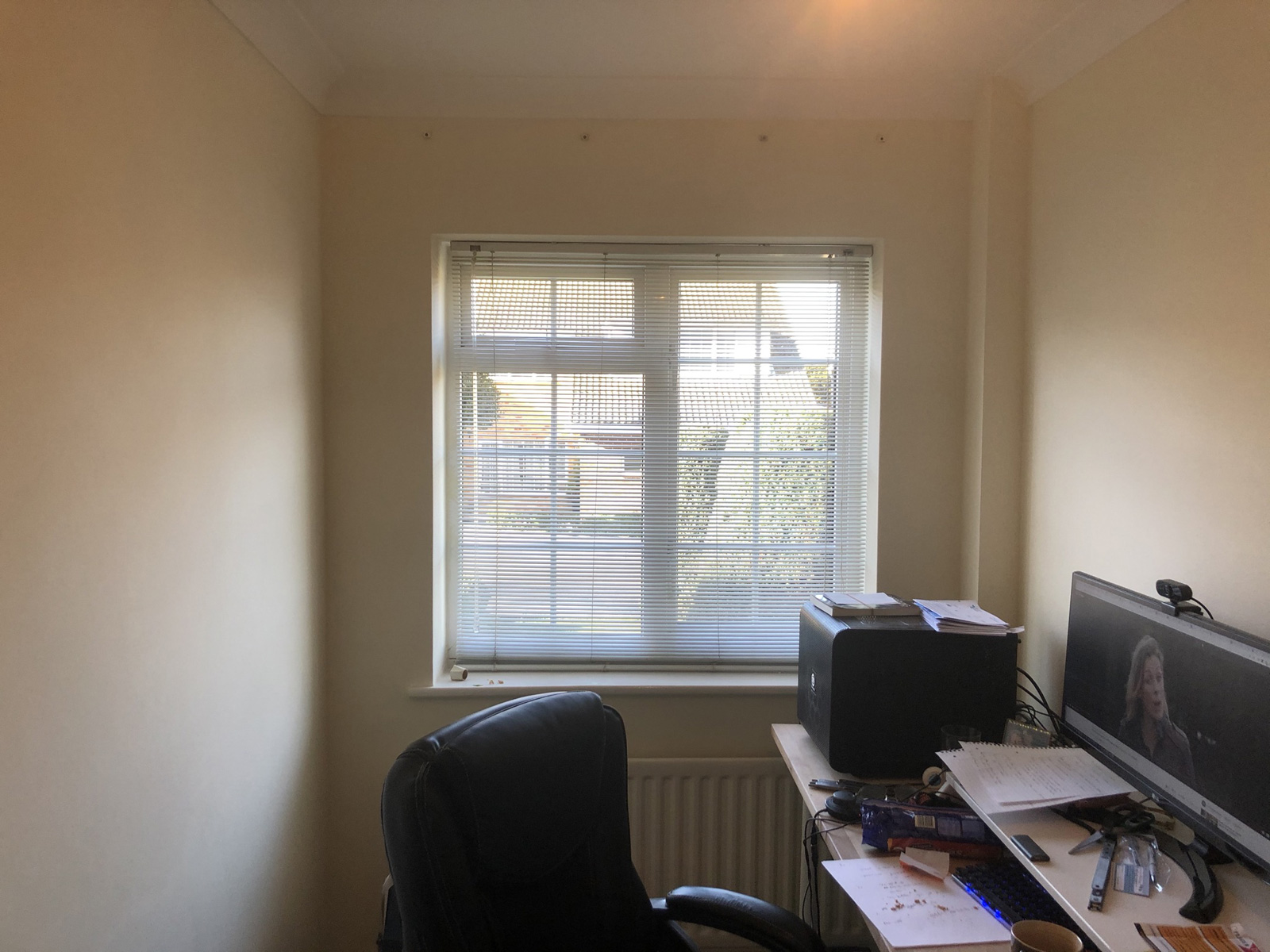
March 2021 - The office 18 months before discovery. The boxing looked completely innocent.
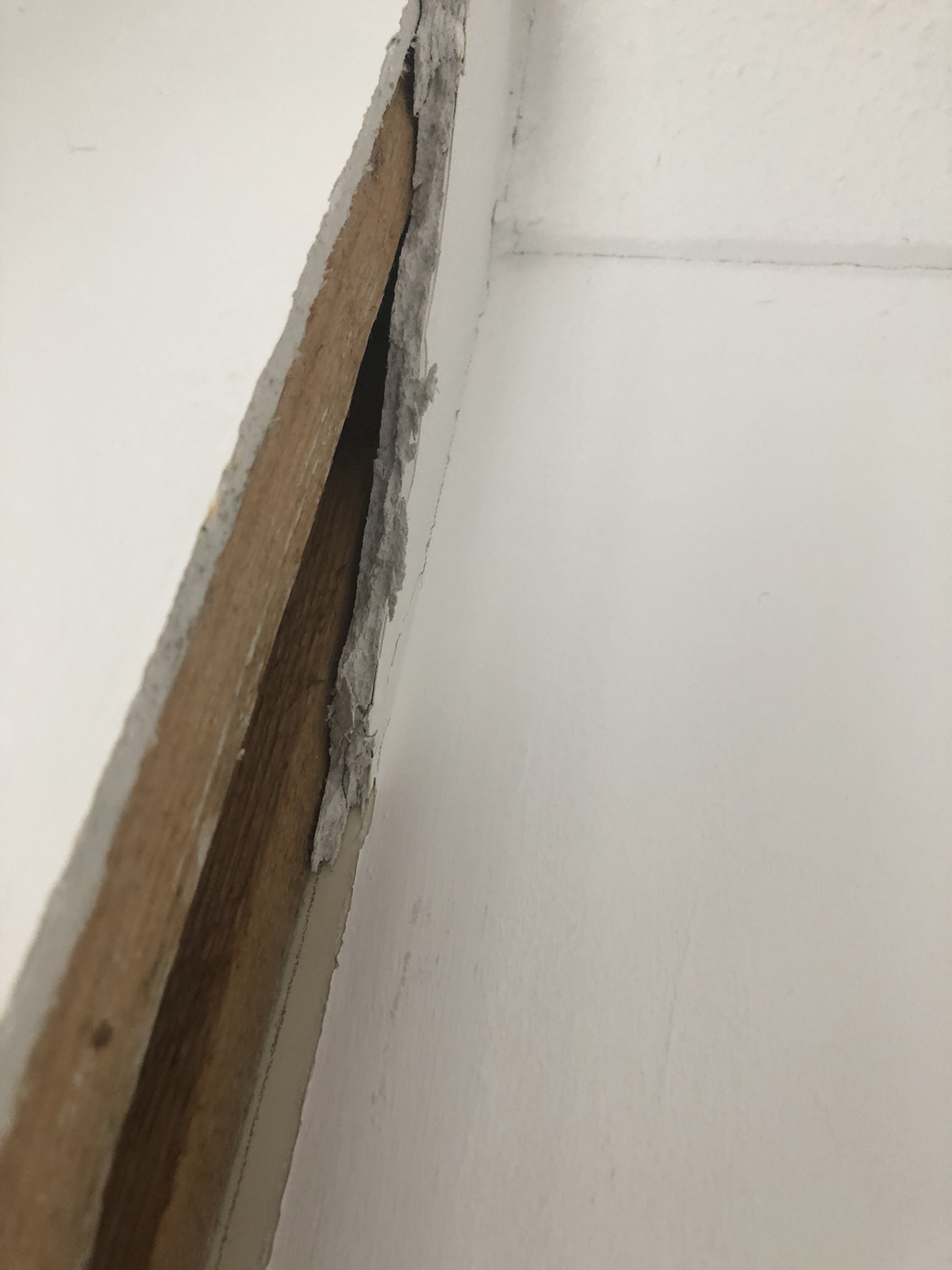
Can you see why I thought it was plasterboard? No warning signs visible.
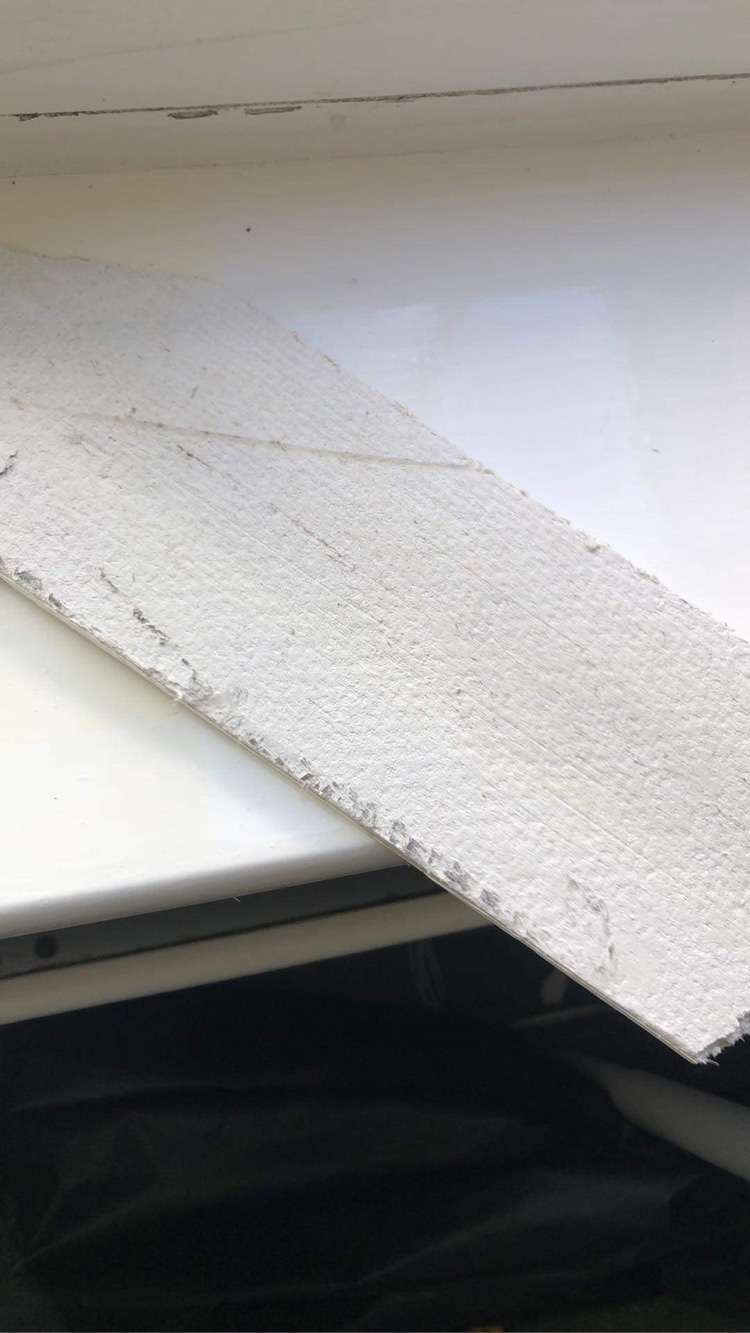
The textured back that raised suspicion - plasterboard has smooth backs.
The Cost Breakdown
- Chosen company: £1,500 inc VAT for office only
- Alternative quote: £1,360 ex-VAT (£1,632 inc VAT)
- Savings: £132 by choosing first company
- Important: This was ONE ROOM
The Timeline
- Sept 28: Discovery
- Oct 9-15: On holiday, liaising with removal company
- Nov 2: Removal scheduled
- Two weeks total: From discovery to completion
- Impact: Away from office/home during work, working from dining room
Why This Was So Expensive
Professional removal of AIB (Asbestos Insulating Board) is required by law and involves:
- Three-stage plastic airlock setup
- Forced ventilation and extraction
- Independent fibre testing (4-stage clearance process)
- Disposal costs at licensed facilities
- Specialist equipment and PPE
- Licensed contractors only
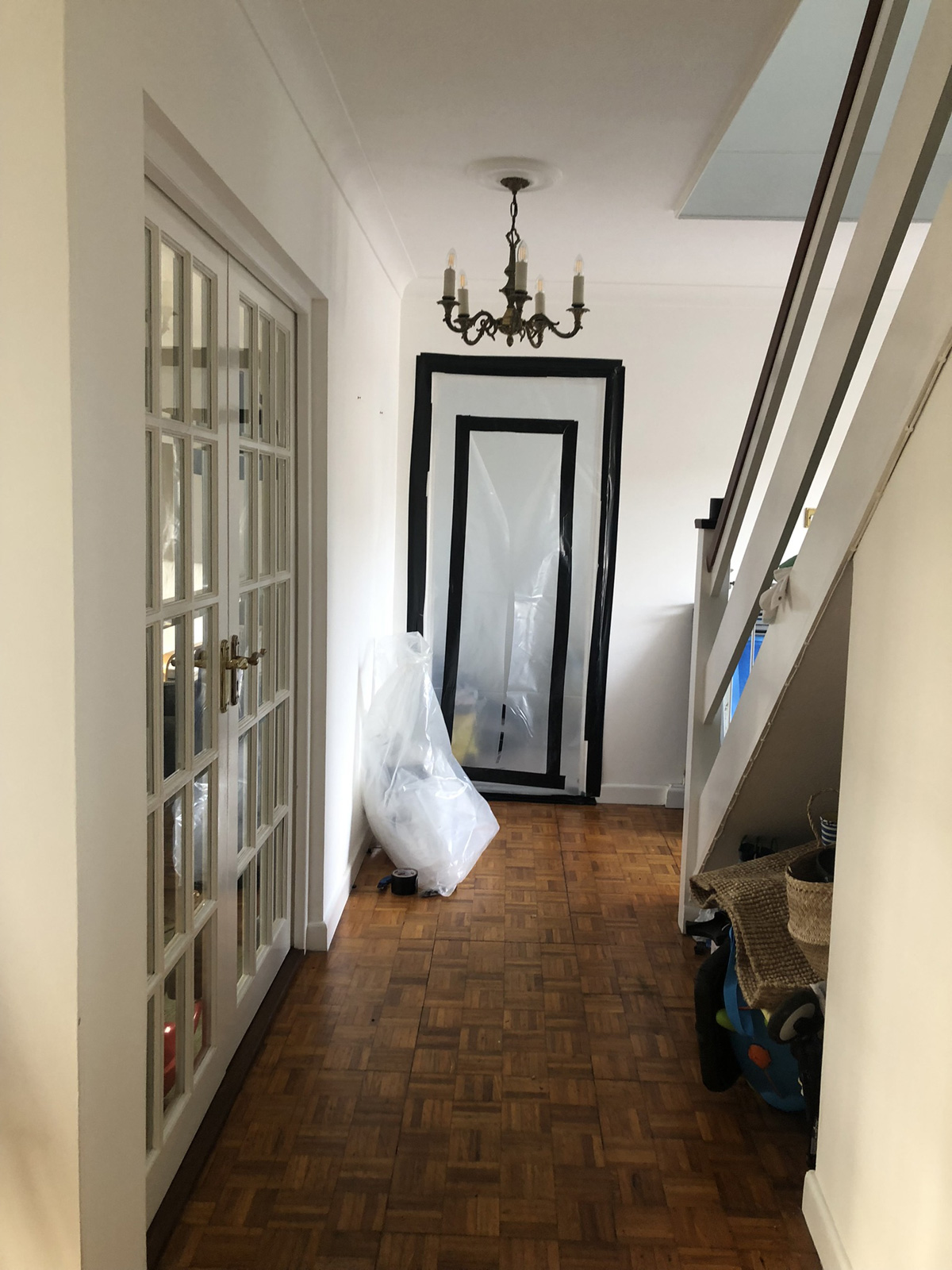
Professional removal setup - extensive containment and safety measures required
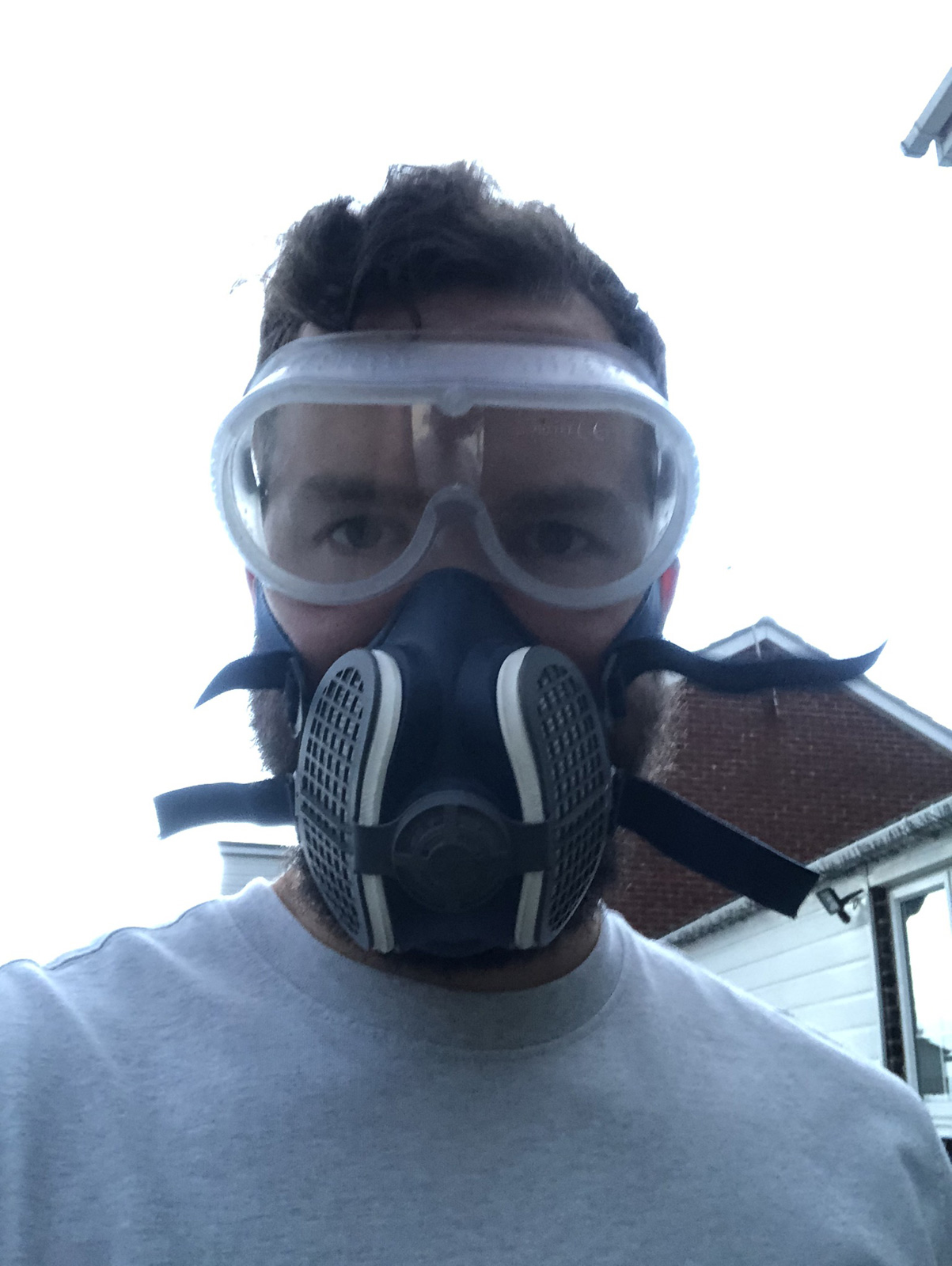
Proper PPE essential - this is specialist work requiring licensed contractors
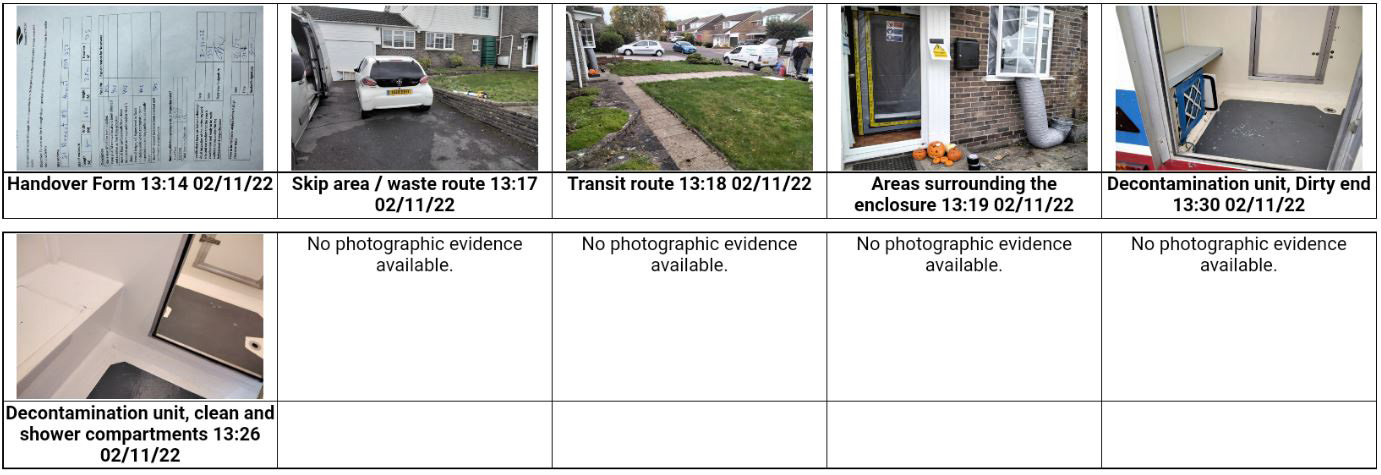
4-stage independent certification process - this is why professional removal costs £1,500
The Reality Check
If we'd tested BEFORE touching:
- Could have planned removal timing
- Could have budgeted properly
- Could have explored alternatives (encapsulation)
- Could have grouped with other work
- Wouldn't have been reactive and rushed
The Main Lesson: Test BEFORE Work Starts
Buy Testing Kits Proactively, Not Reactively
The Proactive Approach:
- Buy testing kits BEFORE starting any renovation
- Test suspicious materials BEFORE breaking anything
- Give yourself time to plan around results
- Budget properly if asbestos found
- No stress, no rushed decisions
The Reactive Approach (What We Did):
- Discover asbestos AFTER breaking it
- Emergency response mode
- Rushed decision-making under pressure
- Two-week timeline to deal with it
- Discovery mid-project creates stress and delays
- Being on the back foot is not pleasant
Why Visual Identification Isn't Enough
The boxing looked exactly like plasterboard to my untrained eye:
- No warning signs visible
- Textured back only noticed AFTER breaking
- Professional confirmation needed
- Even professionals can be wrong (visual only)
- Independent testing matters
Our Timeline vs Better Approach
What we did:
- Sept 28: Broke boxing, suspected asbestos
- Same day: Photo to dad, showed neighbour (visual confirmation)
- Same day: Contacted asbestos removal company, sent photo
- Company response: "From the image, very likely to be asbestos"
- Visual confirmation only—NOT lab testing initially
- Formal assessment: Between Sept 28 and Oct 9
- Lab testing: During removal process (confirmed AIB type)
Better approach:
- BEFORE touching: Buy testing kit
- Take samples carefully (or hire professional sampler)
- Send to lab for analysis
- Get definitive answer before breaking anything
- Plan appropriately based on results
Time Advantage of Proactive Testing
- Testing kit: £20-40 typical cost
- Lab results: 1-2 weeks typical
- Total: 2-3 weeks planning time
- But: NOT rushed, NOT under pressure, NOT mid-disaster
- Can budget, can plan timing, can explore options
The Stress Factor
Being reactive created:
- Quick decisions needed (reactive)
- Two-week process (rushed)
- Away from home (disruptive)
- Salvage operation (what to keep/dispose)
- Working from dining room (inconvenient)
- All because we didn't test first
Specific Advice for Others
Before ANY Renovation Work in Older Homes
✅ Buy testing kits proactively
- Not reactively after you've found something
- Have them ready BEFORE starting
- Cost: £20-40 typical per kit
- Cheap insurance vs £1,500+ removal
✅ Test BEFORE work starts
- Don't wait until you're mid-project
- Test suspicious materials first
- Give yourself time to plan
- Budget properly for results
✅ Give yourself time to plan/budget properly
- Rushed decisions cost more
- Planned removal can be coordinated with other work
- Time to get multiple quotes
- Time to explore alternatives (encapsulation)
✅ Visual identification alone not enough
- Looked like plasterboard to us
- Textured back only noticed after breaking
- Professional visual confirmation still not lab test
- Definitive testing requires lab analysis
✅ Independent inspection matters
- Professional removal company has vested interest
- Independent testing provides unbiased results
- Our process included independent fibre testing
- Worth the extra cost for peace of mind
✅ Being reactive creates stress and rushed decisions
- Can't overstate this enough
- Discovery mid-project = pressure
- Pressure = poor decisions
- Proactive testing = better decisions
What to Test
- Any boxing around pipes (common AIB location)
- Textured ceiling coatings (artex)
- Old floor tiles (especially 9"×9")
- Cement-based materials (water tanks, flues)
- Insulation around boilers/pipes
- Garage roofs (corrugated cement sheets)
- "Plasterboard" that feels heavy/dense
When to Test
- 1970s homes: HIGH RISK (peak asbestos use)
- Pre-2000 homes: SOME RISK (still in use until banned)
- ANY home with suspect materials
- BEFORE breaking/drilling/sanding anything suspicious
How Much Testing
- One kit per distinct material type
- Multiple kits if multiple suspect areas
- £100-200 for comprehensive testing ≪ £1,500 per room removal
The Other Rooms We HAVEN'T Tested
Here's where pragmatism comes in. We have NOT tested other rooms. Other areas with similar boxing are NOT confirmed to be asbestos. We're taking a pragmatic risk-managed approach.
Our Strategy By Room
Dining Room: Will further encapsulate in boxing—extra protection layer, no plans to disturb, leave alone
Stack Pipe: Won't get touched, no plans to disturb, leave undisturbed
Kitchen: Will remove during future kitchen renovation when renovation is planned and budgeted, grouped with other kitchen work for cost-effective timing
The Philosophy
- Not letting asbestos fear drive unnecessary work
- £1,500 per room adds up fast
- Undisturbed asbestos in good condition: minimal risk
- Disturbed asbestos: significant risk requiring professional removal
- Big difference between the two
Encapsulation as Alternative
- Valid approach for areas not being renovated
- Cost-effective vs £1,500 per room
- Provides additional protection layer
- Can be done as DIY (carefully)
- Addresses concern without massive expense
Don't Let Asbestos Fear Drive Unnecessary £1,500/Room Expenses:
Test what you're planning to disturb. Leave alone what's undisturbed and in good condition. Encapsulate for extra peace of mind. Remove when renovation requires disturbing. Balance caution with pragmatism.
Testing Process & Cost Comparison
Testing Kit Approach
What You Get:
- Sample collection materials
- Instructions for safe sampling
- Protective equipment (gloves, mask)
- Sample bags/containers
- Lab analysis included
- Results typically in 1-2 weeks
How It Works:
- Order kit online (£20-40 typical)
- Kit arrives with instructions
- Carefully take small sample (wear PPE)
- Seal in provided container
- Mail to lab (usually pre-paid envelope)
- Wait for results (1-2 weeks)
- Receive definitive analysis
Professional Sampling Alternative
- Hire professional to take samples
- Cost: £100-200+ typically
- Advantage: Less risk of exposure during sampling
- Disadvantage: More expensive, still wait for lab results
- Good option if uncomfortable sampling yourself
Cost-Benefit Analysis
| Approach | Cost | Timeline | Stress Level |
|---|---|---|---|
| Proactive testing | £20-40 per kit | 1-2 weeks | LOW - planned |
| Professional sampling | £100-200 | 1-2 weeks | LOW - planned |
| Reactive (what we did) | £1,500-1,632 | 2 weeks emergency | HIGH - crisis mode |
| Multiple rooms | £1,500+ EACH | Ongoing | VERY HIGH |
The Math Is Clear
- Test 5 rooms proactively: £100-200
- Remove 5 rooms reactively: £7,500-8,160
- Savings: £7,300-7,960
- Plus: avoid stress, plan properly, budget appropriately
The ROI of Testing
Even if only ONE room tests positive:
- Testing: £20-40
- Planned removal: Still £1,500
- But: Can budget, can plan timing, can explore alternatives
- Stress reduction: PRICELESS
What We'd Tell Our Past Selves
The Advice We Wish We'd Followed
1. Buy Testing Kits Before Starting ANY Work
- Not "if we see something suspicious"
- BEFORE breaking anything
- Have them ready proactively
- Costs nothing to have them on hand
2. Test Systematically Before Renovation
- All boxing around pipes
- Any textured coatings
- Cement-based materials
- Create testing plan for whole house
- One-time investment of time and £100-200
3. Don't Trust Visual Identification
- It genuinely looked like plasterboard
- No warning signs visible
- Only suspicious AFTER breaking
- Lab testing only way to know for sure
4. Give Yourself Time
- Discovery during project = stress
- Discovery before project = planning
- Massive difference in decision quality
- Budget timeline for testing results
5. Balance Caution With Pragmatism
- Don't panic if asbestos found
- Undisturbed ≠ immediate danger
- £1,500 per room not always necessary immediately
- Encapsulation valid for some situations
- Plan removal timing strategically
The One Thing We'd Change
Test the office boxing BEFORE planning central heating work
- Would have known about asbestos
- Could have planned removal timing
- Could have coordinated with other work
- Could have explored encapsulation
- Would have saved two weeks of stress
For 1970s Homeowners
Our house was built in 1970—peak asbestos use period. Our neighbour had the same AIB boxing. If your home is from the 1970s and your street was built together, highly likely similar materials were used throughout the estate.
What This Means for You
- Assume AIB boxing likely in pipe boxing
- Test before disturbing
- Budget for potential removal
- Don't be last one to discover it reactively
- Learn from your neighbours' discoveries
- Share information to help each other
Proactive testing: £20-40 and 2 weeks of planning. Reactive removal: £1,500 and 2 weeks of stress. The choice is clear.